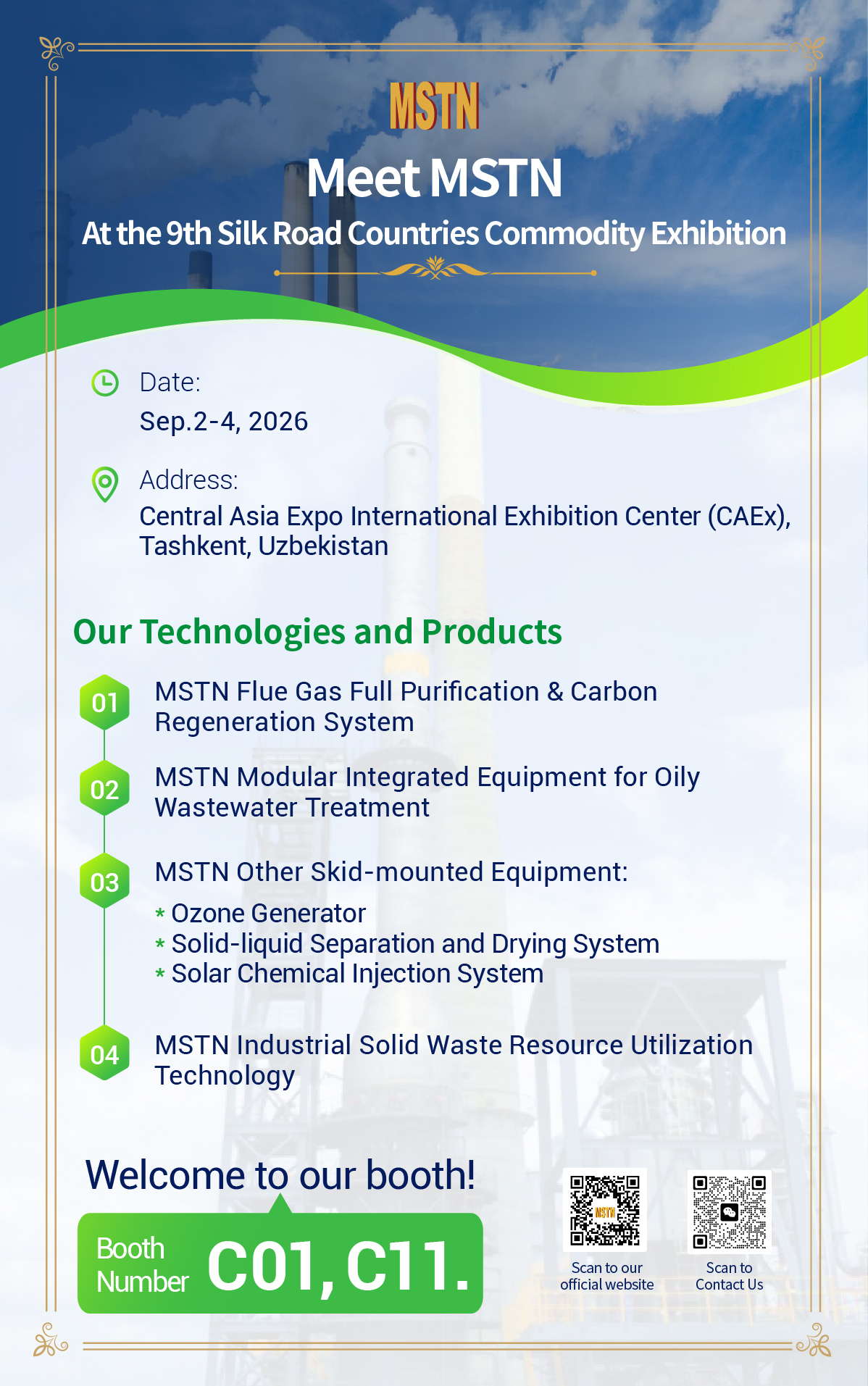
Meet MSTN At the 9th Silk Road Countries Commodity Exhibition
Aug 27,2026
Read MoreOn December 11, 2025, the second ADD Data Application Scenario Conference was grandly inaugurated in Beijing. With the theme "Pearl of Performance, High Ground of Data," the conference brought together forces from government, enterprises, research institutions, and more to jointly explore the scenario-based implementation of data technology across various industries. As an innovative pioneer in the field of architectural technology, SpaceDicon was invited to attend. Bringing three core product matrices—3D printing robots for construction, clay printers, and green, low-carbon 3D printing concrete—the company profoundly interpreted the conference theme of "AI drives evolution, data defines the future," demonstrating how data and intelligent technologies can reshape the production paradigms of the traditional construction industry and provide intelligent solutions for the green evolution of the traditional construction sector.

At the conference, SpaceDicon focused on "Data-Driven Upgrading of the Building Industry," highlighting the scenario-based applications of three major technological achievements:
1. Building 3D printing robot: reducing errors to millimeters and increasing efficiency multiple
The large-scale building 3D printing robot system independently developed by SpaceDicon has achieved full process intelligence in the printing process by integrating visual recognition and multi-sensor data collaboration. Its core lies in "data defined construction accuracy" - based on real-time collected material rheological data, environmental temperature and humidity parameters, the algorithm can dynamically optimize the printing path and extrusion rate, so that the forming accuracy error of concrete components is controlled within ± 0.1mm, and the construction efficiency is improved by more than three times. This technology confirms the key breakthrough of "data-driven intelligent construction" over traditional construction modes.

2. Clay Printer: Cross border Integration of Digital Art and Green Materials
The clay 3D printing system launched bySpaceDicon for cultural architecture and decoration scenes, based on the concept of "data defining design boundaries", achieves innovative integration of traditional ceramic art and modern technology through parametric modeling and material database matching.

3. Green and low-carbon 3D printed concrete: Solid waste data empowers circular economy
In response to the national "dual carbon" strategy, the core of the green and low-carbon 3D printed concrete developed by SpaceDicon lies in "data defining material value". By establishing a performance database for multi-source solid waste (construction waste, industrial slag, etc.) and combining machine learning algorithms to optimize the proportioning scheme, the solid waste content is increased to over 60%, while ensuring that the printing flowability and mechanical properties of concrete meet the standards.

Defining the Future with Data: Ecological Blueprint for "Green Construction" of Spatial Intelligence
At this ADD conference, SpaceDicon not only showcased technological achievements, but also engaged in in-depth dialogue with government, research institutions, and industry chain partners on "data-driven green building standardization", jointly exploring the integration path of building technology and data economy.

Start Your Partnership With MstnLand
Learn More 

 русский